


Mohamed Ali — Product Visionary Leader

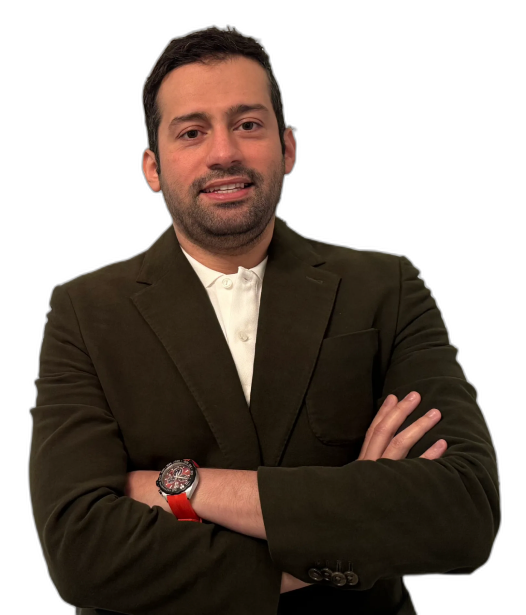
Hello, I'm Mohamed Ali

Product Visionary Leader

Biomedical engineer with 20+ years of experience building products, leading teams, designing systems and workflows.

Mindset

Emotional Intelligence

I believe people are the greatest asset in any organization. My leadership style is rooted in emotional intelligence, creating trust, aligning different teams around a shared goal, and helping people feel heard, recognized, and motivated to do their best work.

Signals That Matter

Data Is the Real Consultant to challenge assumptions, sharpen judgment, and improve decision quality. Product intuition matters, but it becomes stronger when paired with analytics, market trends, operational signals, and real user behavior. I look for the patterns behind the noise.

Clarity in Ambiguity

Problems are opportunities for something better. My approach is to go deeper than what is visible: why is this a problem, who is affected, how does the current workflow behave, and what is the true cost of leaving it unsolved?

Designing for Behavior

Over time, my mindset has shifted from building features to designing systems. I think deeply about workflows, dependencies, and how products should behave on behalf of users, especially in AI-enabled environments.

Scroll to explore

Emotional Intelligence

Leading through trust, empathy, and shared goals so people feel heard and motivated to do their best work.

Signals That Matter

Product intuition strengthened by analytics, market trends, and real user behavior — looking for patterns behind the noise.

Clarity in Ambiguity

Going deeper than the visible problem to find where friction lives and what it truly costs to leave it unsolved.

Designing for Behavior

Shifted from building features to designing systems — especially in AI-enabled environments.

About

Over 2 decades, I have been focusing on creating more value for customers and capturing the most value for the business.

My work has spanned enterprise platforms, consumer-facing experiences, healthcare operations, AI-native products, and startup environments.

I excel at turning complexity into clarity, leading high-performing teams with deep emotional intelligence, and optimizing operating models to deliver products better, faster, and cheaper.

I'm comfortable in ambiguity because that's often where the best ideas begin, going below the surface, identify where the friction lives and design better systems, where people, data, workflows, and products work together to drive measurable impact.

AI Product Framework

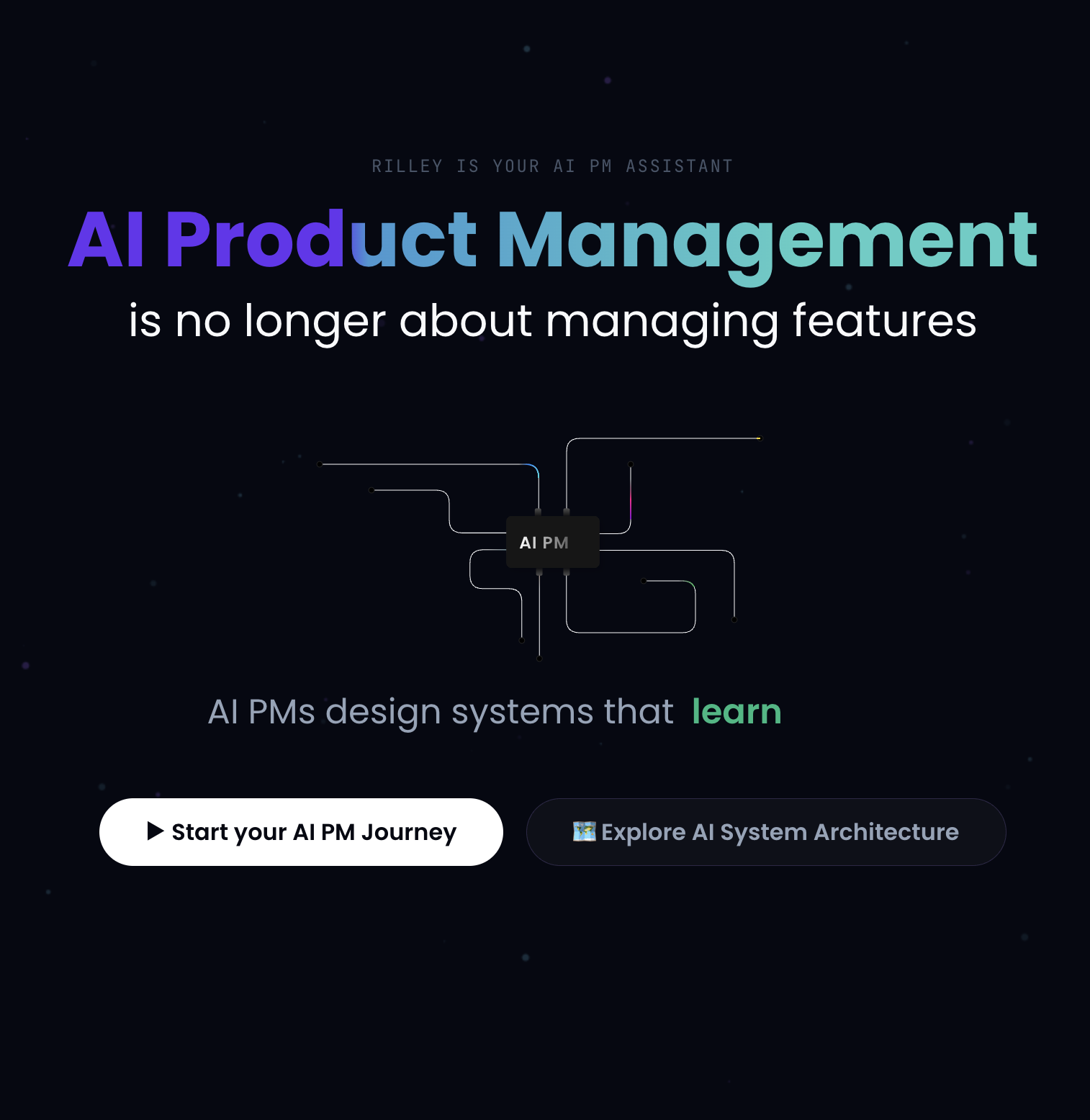
Rilley — AI Product Management Framework

I think about AI products as systems, not features. The real challenge is not just what the model can generate, but how the system behaves over time across memory, trust, evals, escalation, observability, and workflow design.

That mindset was shaped in part by building AI products in the last few years, and it also led me to create Rilley, a prototype designed to help Product Managers evolve into AI system designers.

Explore Rilley

Work Experience

I have a diverse background, between enterprise SaaS, healthcare platforms, workflow automation, start-ups and AI-native products. Some products were built from scratch, others required rethinking roadmaps, redesigning workflows, or modernizing the operating model around them. What connects them is a consistent approach: understand the real problem, where the friction lives, who is impacted, design for the full workflow, and build systems that create measurable value.

Siemens
Biomed
Toshiba
WellCare Health Plans
Agylz AGYLZ
Omnicell
Teamwork Health
Cairah AI

Use Cases

Six examples of how I've redesigned workflows, improved customer experience,
and built products that created measurable business impact

Cairah AI

Cairah AI

Head of Product · Co-Founder

Built an AI-native mental health companion focused on proactive support, behavior change, and provider collaboration. Designed around memory, agentic workflows, trust, escalation, and healthcare-adjacent safety.

Context: Cairah was built to help people manage stress, anxiety, and depression more proactively, while creating better continuity, earlier support, and smarter navigation toward care.

Revenue / Portfolio Context: Cairah was an early stage founder led AI product built to MVP and launch stage as a customer facing AI-native platform. Alongside the product, we also built partnerships with therapists across the East Coast, creating an early ecosystem around care navigation, referral support, and behavioral health collaboration.

Problem: Most mental health tools are too reactive, too generic, or too disconnected from the user's real context over time. We wanted to build something more continuous, supportive, and personalized without overstepping trust or safety boundaries.

What I Did: I led the product from concept to MVP, including:

  • Conversation design
  • Behavior-change workflows
  • Memory strategy
  • Escalation and severity handling
  • Provider collaboration design
  • AI architecture decisions

AI / System Design: The system used:

  • LangGraph for agentic orchestration
  • LangSmith for tracing and evaluation visibility
  • Postgres + pgvector for memory retrieval
  • Embeddings to connect past context to current conversation

UX / Workflow Thinking:

  • Understand the user over time
  • Guide better next steps
  • Escalate when needed
  • Create trust through continuity and boundaries

Business Impact:

  • Launched a live MVP in the App Store
  • Validated a meaningful behavioral health use case
  • Created a strong AI-native product foundation around trust, memory, and escalation
  • Generated early product and market learning for future scale
TeamWork Health

Teamwork Health

Chief Product Officer

Designed a multi-specialty care model from the ground up — hybrid care delivery, AI intake, Athena health integrations, payer workflows, and value-based care programs. Supported scale to $1.1M MRR in the first six months.

Context: At TeamWork Health, I helped design and launch a new multi-specialty care model in underserved communities.

Revenue / Portfolio Managed: This operating model helped support growth to approximately $1.1M in monthly recurring revenue within the first six months.

Problem: The challenge was more than staffing. There was a shortage of physicians in rural areas, and the real problem was how to build a care model where mid-level providers, virtual physician oversight, intake, scheduling, payer requirements, and technology all worked together efficiently.

Scope:

  • New care model design
  • EMR and systems integration
  • B2B2C workflow
  • Operational product thinking
  • AI intake system

What I Did: I led product and innovation around:

  • Hybrid care delivery workflows
  • AI-enabled intake
  • Athena Health integration
  • Third-party integrations such as PFT and CPET
  • Payer workflows
  • Prior authorization
  • Value-based care enablement (CCM, RPM, PCM)

UX / Workflow Thinking: The "user" here was not just the patient. The workflow had to work for:

  • Patients
  • Clinic staff
  • PAs / NPs
  • Physicians
  • Payers
  • Operations teams

Cross Functional Orchestration: I worked across clinical, administrative, and payer-facing workflows to help define how intake, scheduling, staffing, physician oversight, ancillary services, and reimbursement processes would work together in practice.

Business Impact:

  • Enabled launch of a new hybrid care model
  • Improved access in underserved areas
  • Created a scalable operational workflow
  • Supported $1.1M MRR in six months
Omnicell

Omnicell

Director of Product Management

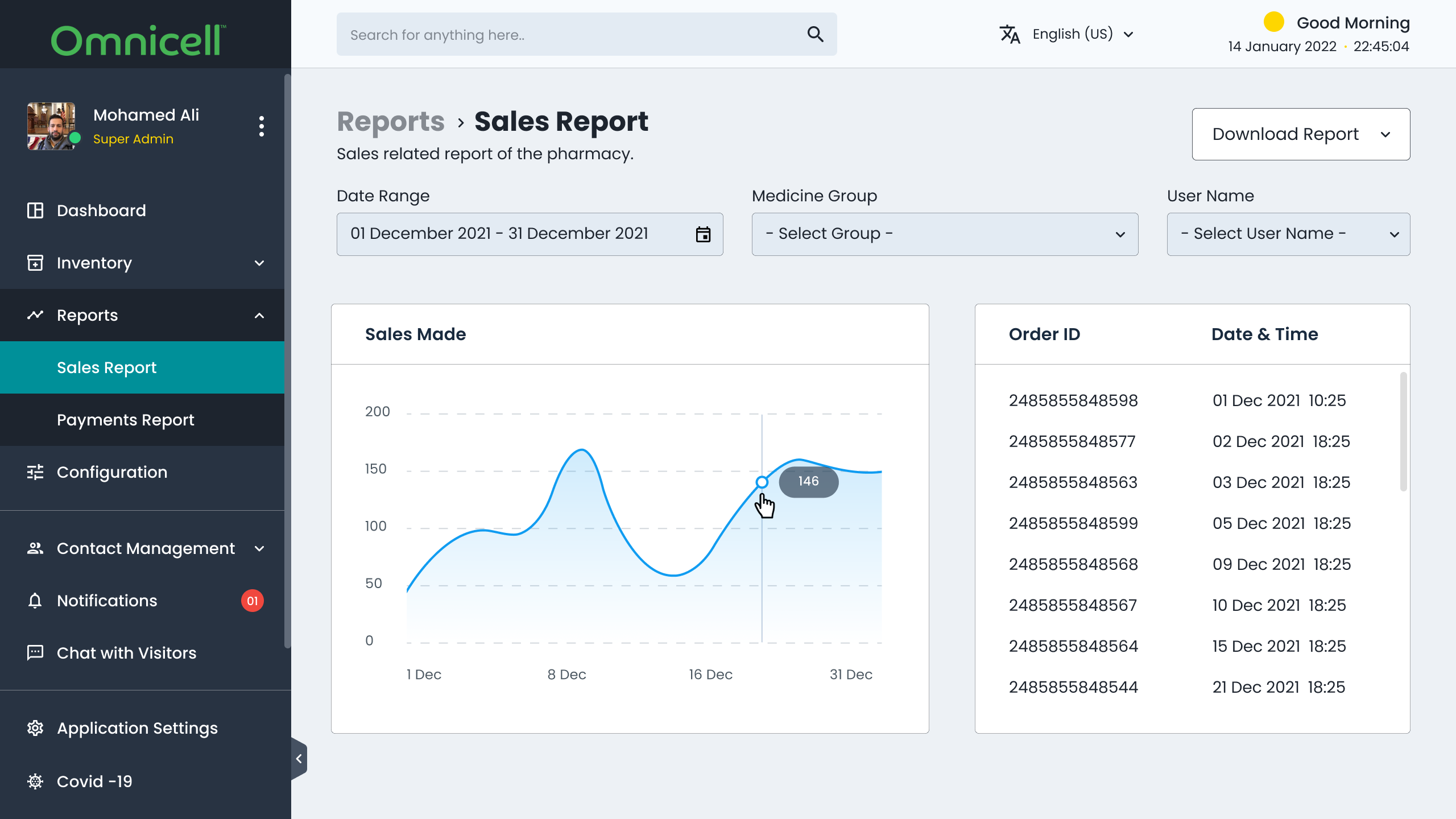
Led a healthcare SaaS portfolio supporting enterprise pharmacy customers including Cardinal Health, Cencora, Walgreens, Kroger, and Walmart. Owned $30M+ ARR with a team of 9 PMs.

Context: Omnicell supported large pharmacy networks through products tied to reimbursement, workflow visibility, and financial operations. One of the biggest enterprise customers, Cardinal Health, was unhappy with delayed reporting and fragmented access to the operational insights they needed.

Revenue / Portfolio Managed: I owned product strategy across a portfolio contributing roughly $30M+ in annual revenue, while owning roadmap, pricing, metrics, RCM, reporting, workflow visibility, and clinical service enablement, while leading a team of 9 Product Managers and Product Owners.

Problem: The issue initially looked like a reporting backlog problem. But after working directly with the customer and studying how they used the reports, it became clear that the real problem was workflow design. The reports were not just documents — they were critical inputs into quarterly planning, executive conversations, and customer network management.

What I Did: I worked closely with customer stakeholders to understand:

  • What questions they were trying to answer
  • How often they needed answers
  • Where delays were creating operational and relationship risk

I then led the shift from manual report generation to a self-serve dashboard model, allowing users to access and shape the views they needed without waiting on engineering each sprint.

UX / Workflow Thinking: The differentiator was not just surfacing data, but reducing friction in the analyst workflow:

  • Faster access to relevant information
  • Improved navigation from question to answer
  • Better visibility into the current state of claims and financial performance
  • Less dependency on manual report creation

Business Impact:

  • Improved customer satisfaction
  • Reduced manual effort for both customer and internal teams
  • Supported renewal confidence
  • Freed engineering capacity
  • Created a new monetizable capability
Agylz

Agylz

VP, Product Management

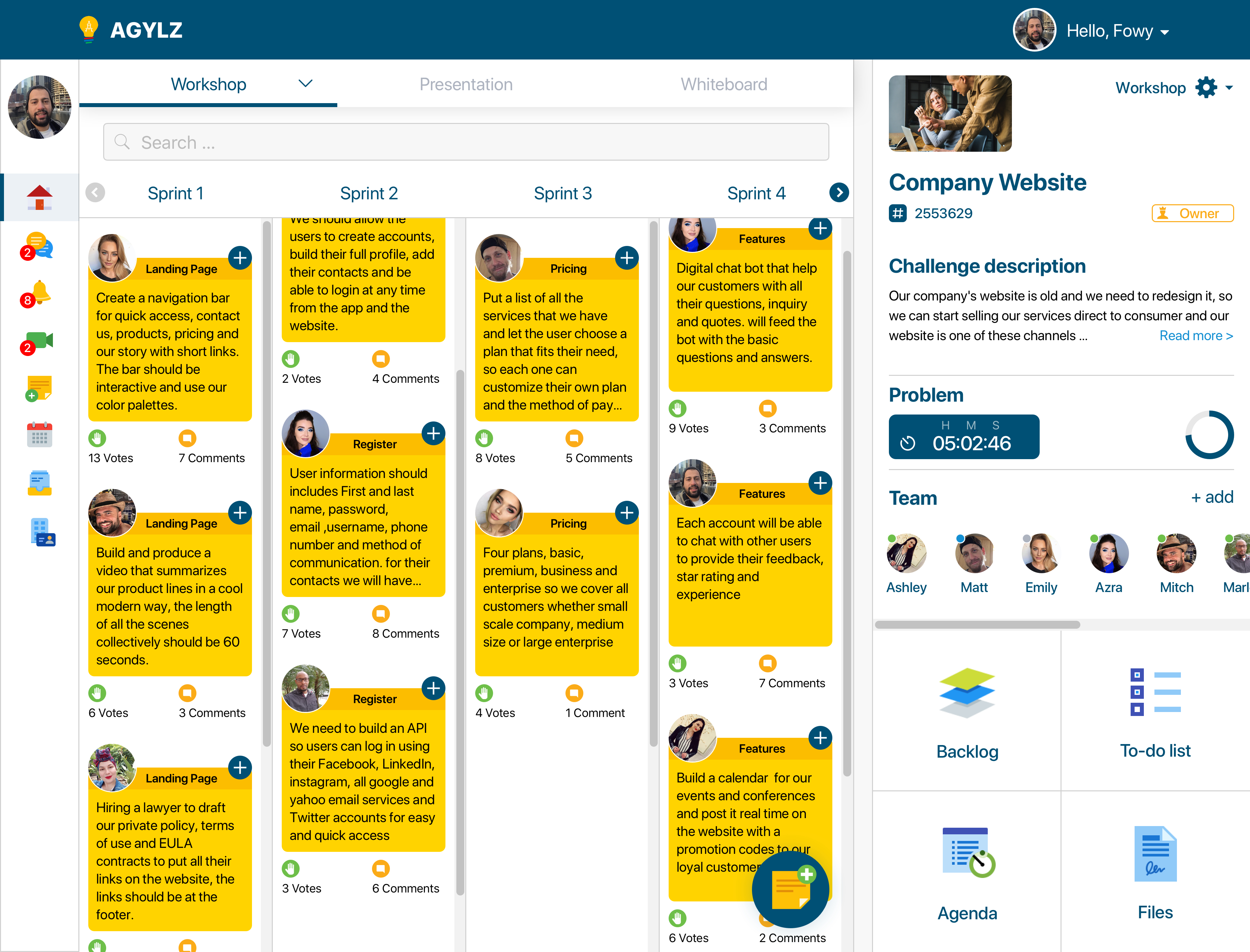
Architected a product management platform designed to automate the lifecycle from idea → roadmap → delivery. Led product vision, UX, platform structure, and team execution in a startup environment.

Context: Led a platform designed to automate and structure the product management lifecycle.

Revenue / Portfolio Context: This was a startup environment under 100 people, where I led product vision, UX, and execution across a lean team of roughly 9–12 people spanning product, engineering, and QA. The platform was also customized to support large enterprise customers in the Middle East, giving us direct exposure to more complex organizational workflows and scaled operating needs.

Problem: Most product organizations were moving from idea to roadmap to delivery through fragmented tools, inconsistent processes, and heavy coordination overhead.

What I Did: I helped build a platform that guided teams through a structured workflow from idea → validation → roadmap → delivery, using AI-assisted product thinking and workflow automation to reduce friction and improve consistency.

UX / Workflow Thinking: This was not just a feature set — it was a product operating system:

  • What should happen next
  • What inputs are needed
  • How teams align faster
  • How decisions become visible and repeatable
  • Startup operator mindset
  • Strong product systems design

Business Impact:

  • Created a differentiated platform in the product operations space
  • Reduced workflow fragmentation
  • Improved clarity and process consistency across product teams
  • Established a foundation for scalable product execution
  • 0→1 platform building
  • Workflow automation
WellCare

WellCare

Sr. Technical Product Manager

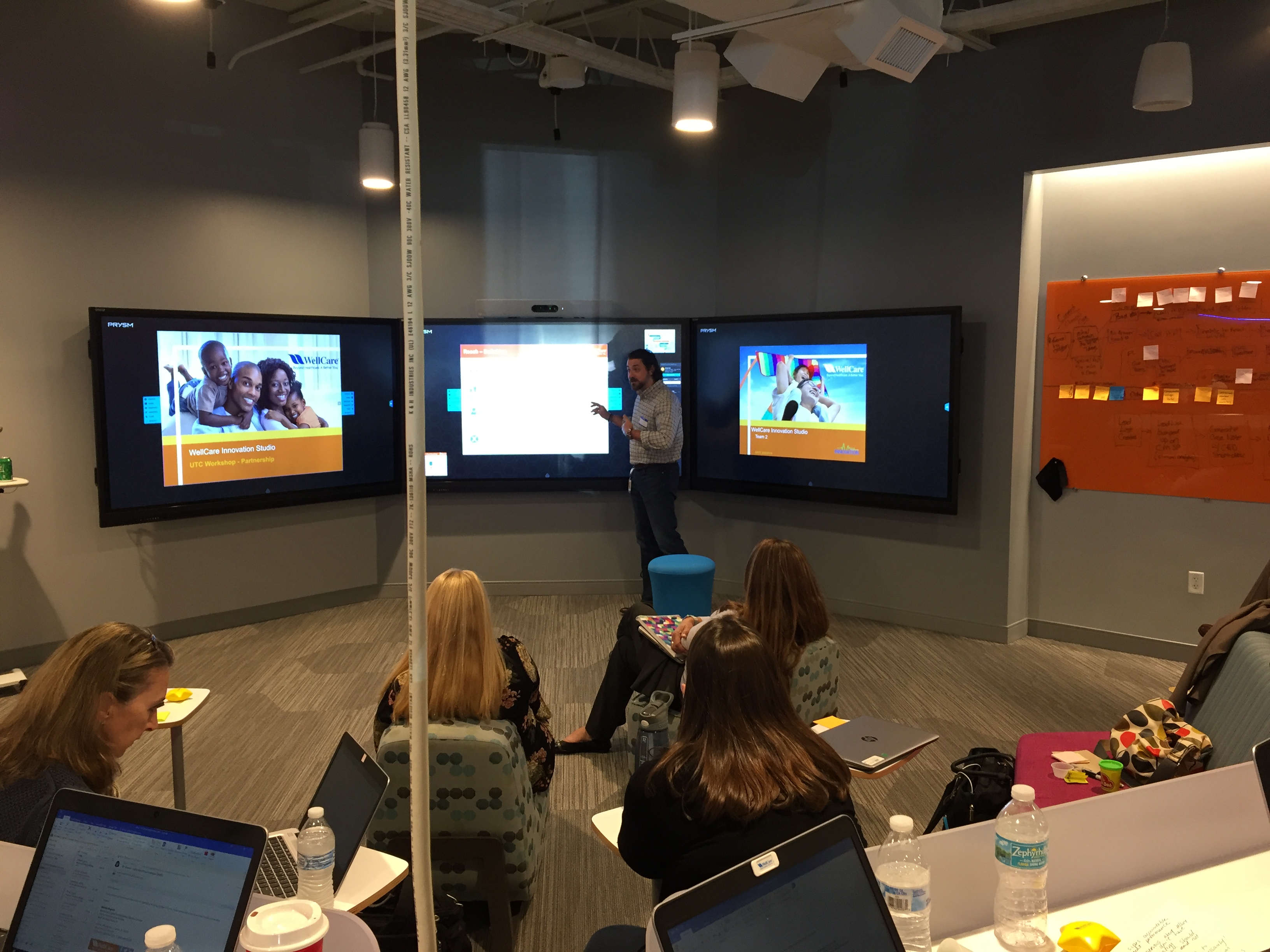
Orchestrated innovation products and digital experiences for Medicare and Medicaid populations. Focus on member experience, workflow improvement, and product experimentation. WellCare was later acquired by Centene for $15B.

Context: At WellCare, I helped build innovation and automation products for a large Medicare and Medicaid population.

Revenue / Portfolio Context: This was a payer-side innovation portfolio inside a business later acquired by Centene for $15B, where digital experience and operational innovation played an important role in modernization.

Problem: The member portal existed, but adoption was underwhelming. The issue wasn't just awareness — the portal did not create enough immediate, visible value for members to change behavior.

What I Did: I analyzed user behavior, member needs, and portal engagement patterns. We found that members needed a clearer and more tangible reason to return. I helped redesign the experience around quicker value moments, including better benefit visibility and easier access to relevant information.

UX / Workflow Thinking: Instead of optimizing the portal generally, we focused on:

  • Clearer reasons to engage
  • Stronger visibility into benefits
  • Lower friction to value
  • A better member journey
  • Behavior-driven product design
  • Data-informed UX improvement
  • Payer/member-facing product leadership
  • Healthcare innovation at scale

Business Impact:

  • Approximately 20% lift in adoption
  • Stronger member engagement
  • Improved fit between digital experience and member needs
  • Better foundation for future digital innovation
Biomed

Biomed

Product Engineer · Co-Founder

Founded Biomed to improve patients' journey in MRI, CT, Cath Lab, and clinical environments. Managed 50+ projects contributing to $2M+ ARR through partnerships with Siemens, Philips, and Toshiba.

Context: Early in my career, while working across imaging environments with Siemens, Toshiba, Philips, and Biomed, I saw firsthand how advanced diagnostic systems could still create a poor patient experience. MRI, Cath Lab, and X-ray environments were clinically powerful, but often intimidating, cold, and stressful for patients.

Revenue / Portfolio Context: Biomed was able to contract with major imaging companies including Siemens, Philips, and Toshiba to enhance patient journey and support clinical workflows through a set of complementary products and solutions. Across that work, I helped manage 50+ projects and contributed to a portfolio generating over $2M in annual recurring revenue.

Problem: The systems were optimized for imaging quality and operational function, but not for the patient journey. For many patients, especially those in MRI environments, anxiety, claustrophobia, and overall uneasiness made the experience much harder than it needed to be. I saw this as a product problem hidden inside a clinical workflow problem.

What I Did: I pushed for a new approach centered on the patient experience and was one of the first to introduce 3D virtual skylight systems into MRI, Cath Lab, and X-ray rooms to make the environment feel calmer, more human, and less intimidating. This was one of the earliest moments that shifted my thinking from engineering systems to designing experiences.

UX / Workflow Thinking: This was about designing for the full journey, not just the equipment:

  • Patient enters room
  • Emotional reaction begins immediately
  • Environment shapes cooperation and comfort
  • Comfort affects both experience and operational flow

Business Impact: This work became the seed for a startup direction focused on improving patient journey inside radiology environments. It also created commercial value because previous employers and imaging vendors, including Siemens, Toshiba and Philips, became customers and partners in that experience layer.

Rapid Prototyping Stack

Five tools I use to go from idea to working product — fast. Click any node to learn how each one fits into the workflow.

Click any node to learn how and why I use that tool in the prototyping workflow.

⚡ Usage intensity
Click another node to switch · Click the same node to deselect

Figma

Wireframes, UI components, and high-fidelity prototypes before a line of code is written.

Antigravity

AI-native IDE that accelerates development with intelligent code generation and refactoring.

C

Claude Code

Complex problem-solving, architecture decisions, and translating product thinking into working code.

GitHub

Version control, collaboration, and CI/CD pipelines that automate testing and deployment.

AWS

Scalable cloud infrastructure — compute, storage, and serverless functions that grow with the product.

Beyond the work

A Snapshot of Who I Am

Life Outside the Product

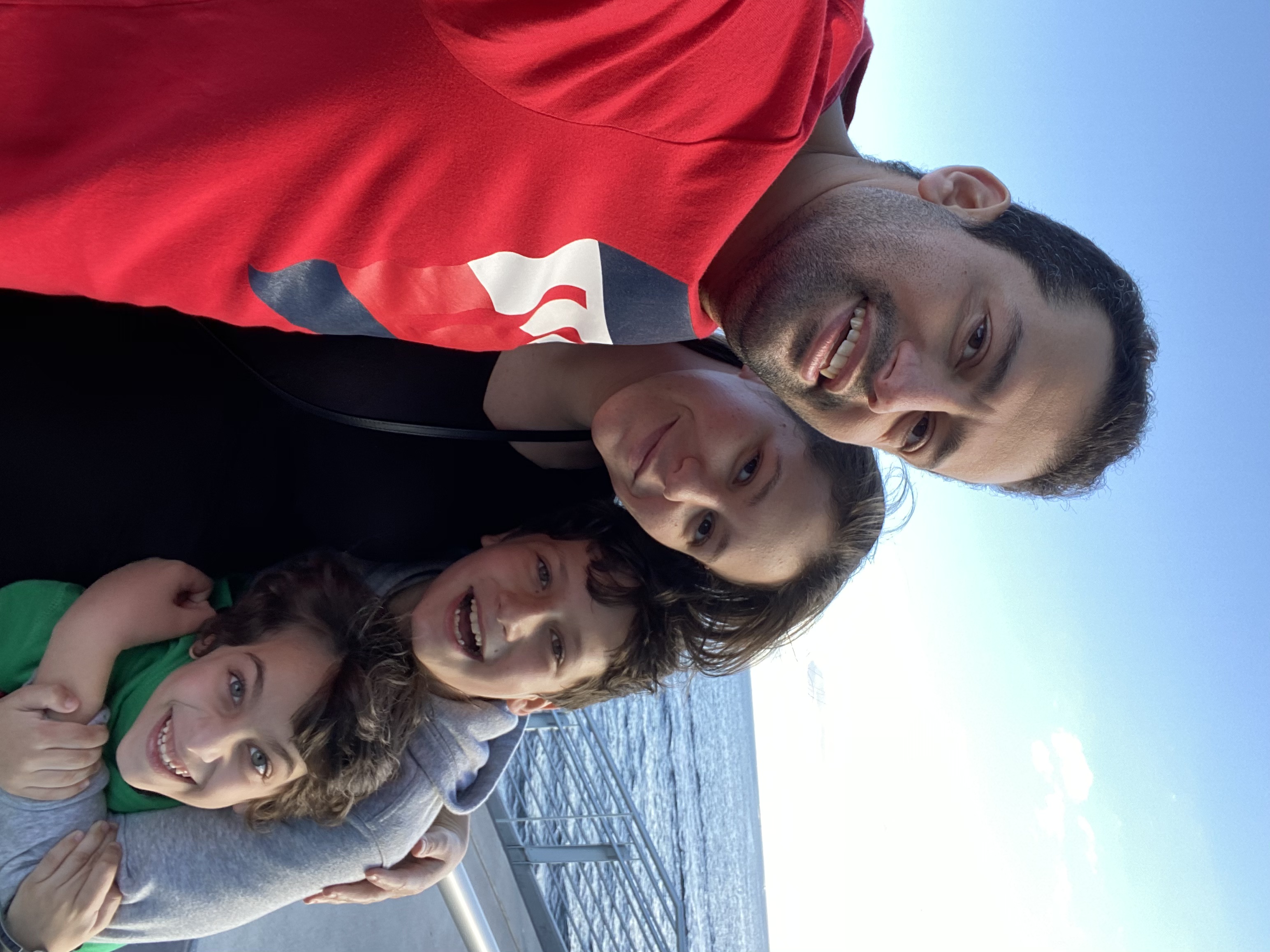
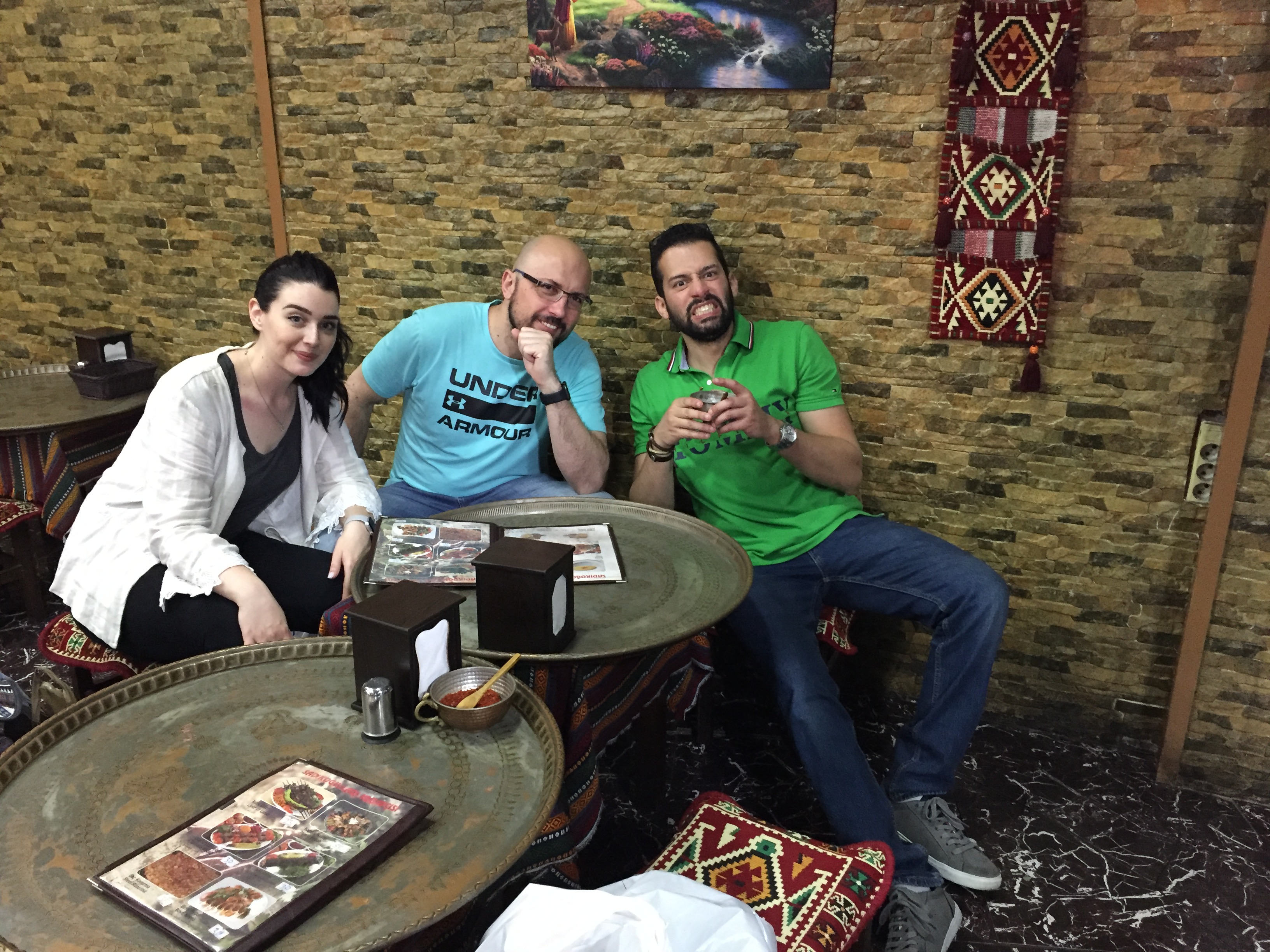
When I'm not building products, I'm usually chasing experiences that keep me curious and grounded. I love to travel — exposure to different cultures, systems, and ways of life has shaped how I think about users and problems more than anything else. Part of that love for travel is chasing food — exploring local markets, hole-in-the-wall restaurants, and regional dishes wherever I land. I follow F1 closely and spend a lot of time on the tennis court and the soccer field. But what grounds me most is family, friends, and community. They're the reason I care about building things that actually matter.

Traveling Food Around the World Formula 1 Tennis Soccer Family & Community

A snapshot of my work across SaaS, AI,
healthcare, workflow design,
and product leadership.

you can download my resume below

Download CV